Matter Relay Switch
Overview
The Matter Relay Switch is a Matter-compatible REED device that can be controlled remotely to turn a relay on or off. It can be used to control various devices, such as lights or fans.
This section describes the development of the Matter Relay Switch.
Source Code: GitHub
Prerequisites:
ESP-IDF development environment is set up.
ESP-Matter development environment is set up.
ESP32-H2-DevKitM-1 is available.
Hardware Assembly
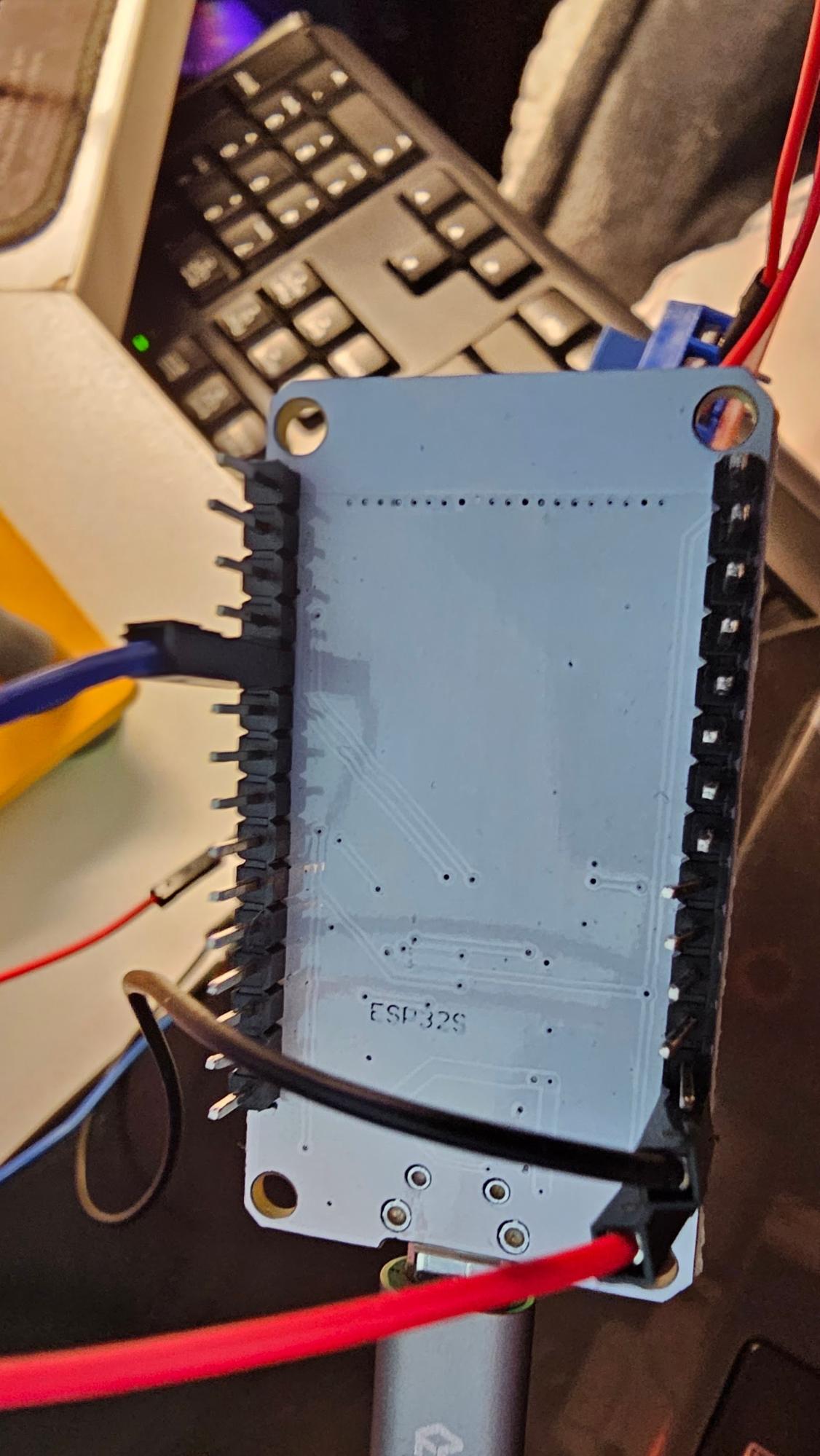
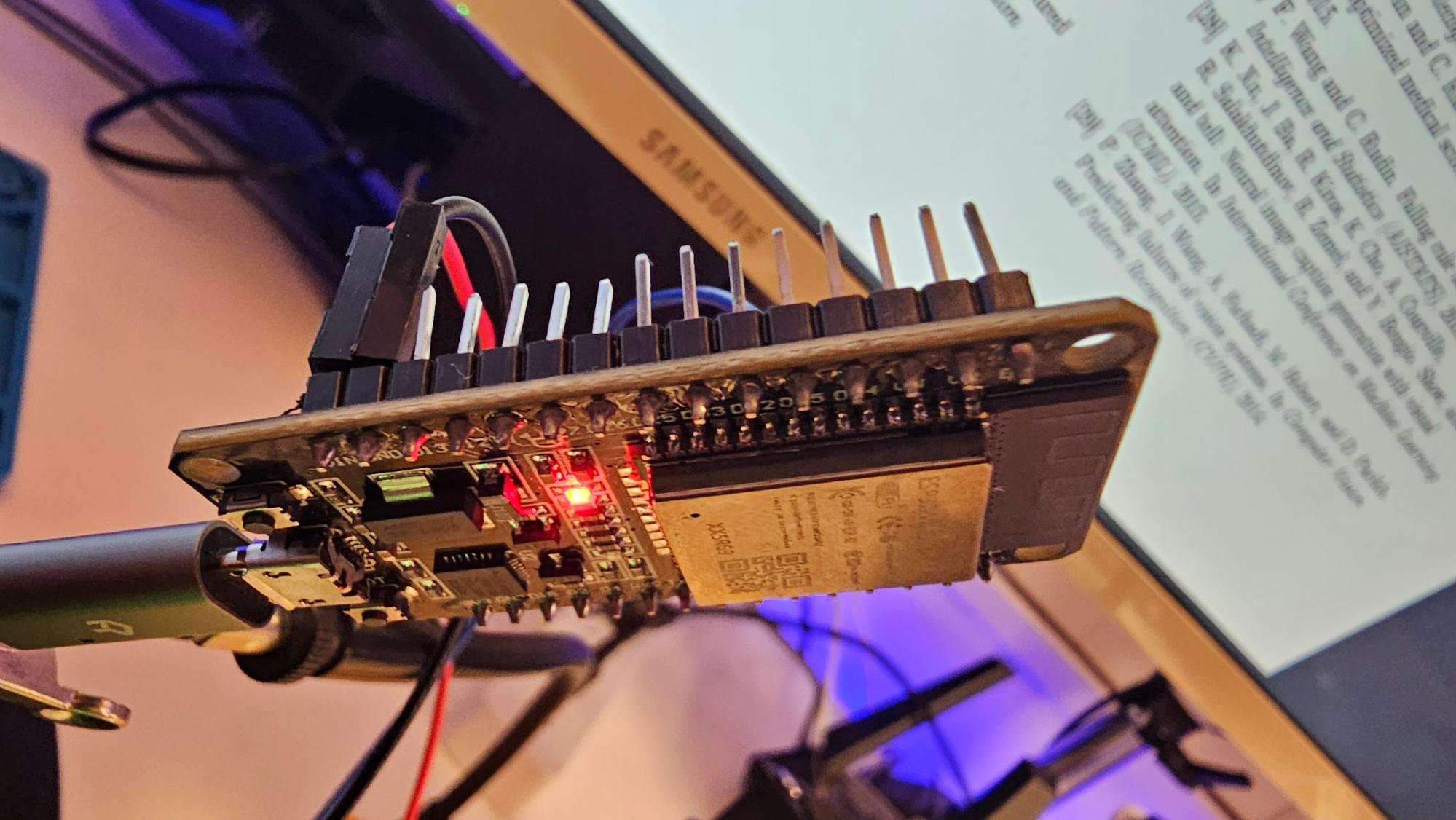
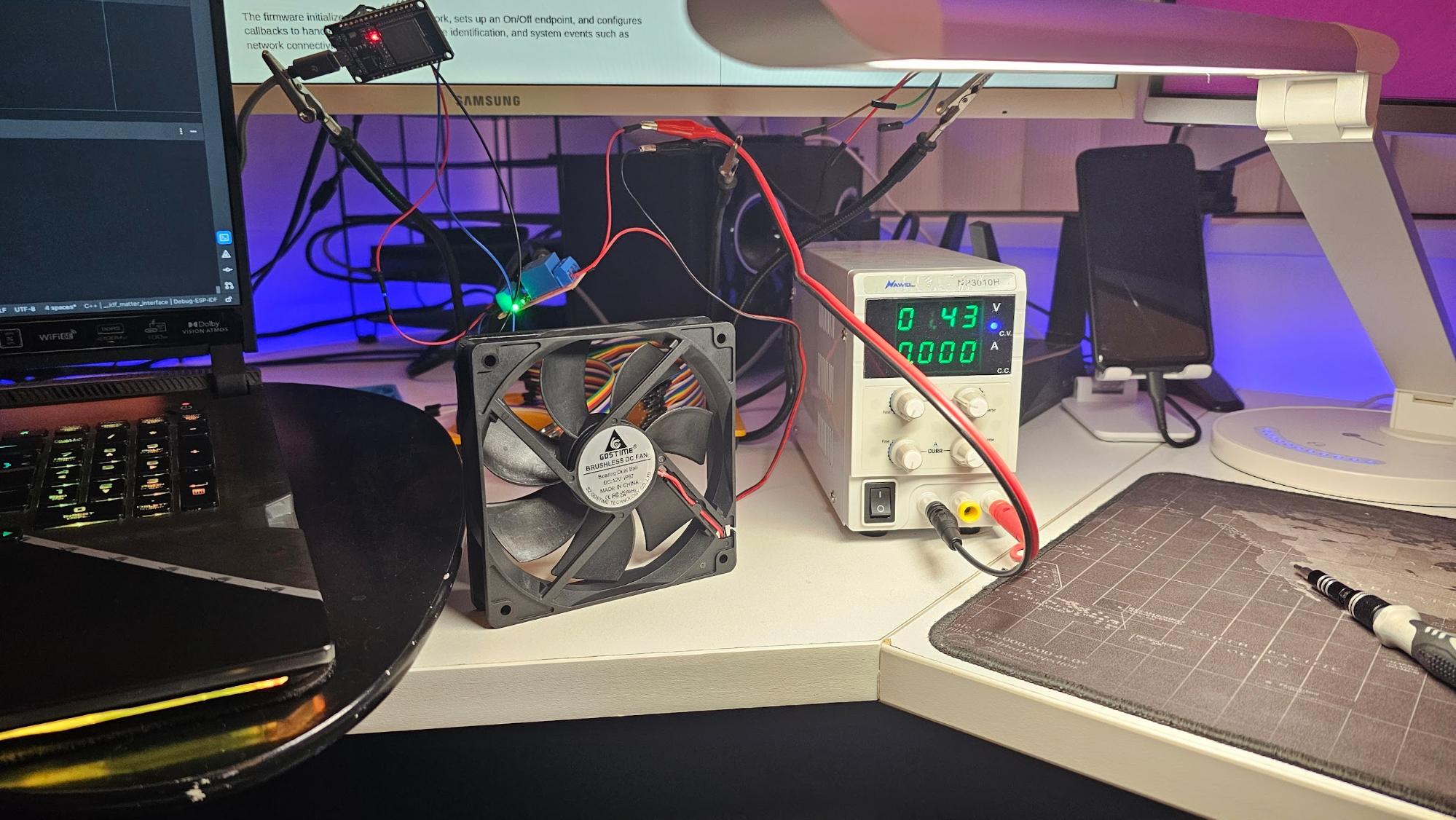
Wiring Relay to ESP32
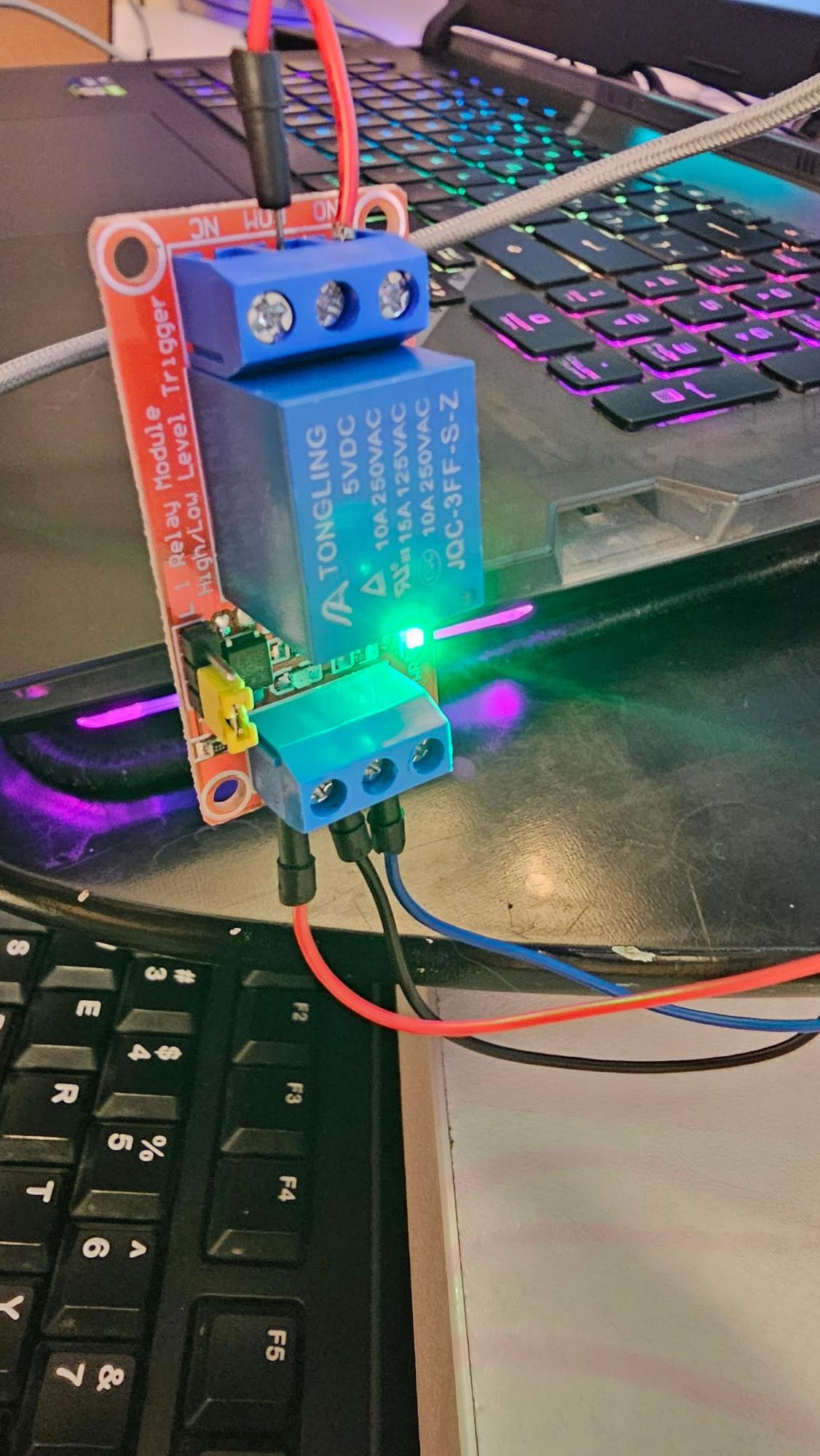
The Valefod 5V 1-Channel Relay Module is used to control loads up to 10A using a low-power control signal from a microcontroller such as an Arduino or ESP32. It features optocoupler isolation for improved signal integrity and supports both high and low trigger configurations.
The relay has the following terminal layout:
Side 1: Control Terminals
DC+ (Power Supply Positive): Connect to a 5V power supply.
DC- (Power Supply Negative): Connect to the ground of the power supply.
IN (Input Signal): Connect to a GPIO pin on the microcontroller to control the relay.
Side 2: Switch Terminals
COM (Common Terminal): Shared terminal for the relay's switch.
NO (Normally Open): Open circuit by default; closes when the relay is activated.
NC (Normally Closed): Closed circuit by default; opens when the relay is activated.
The Normally Open (NO) terminal is used when the circuit should remain open (off) by default, requiring activation to close the circuit. The Normally Closed (NC) terminal is used when the circuit should remain closed (on) by default, opening only when the relay is activated.
Firmware Development
The firmware uses the ESP-IDF framework with the SDK for Matter. It sets up an On/Off endpoint and configures callbacks to manage Matter attributes, enabling GPIO-based relay control.
Project Bootstrap
GPIO Configuration
The header file $IDF_PATH/components/esp_driver_gpio/include/driver/gpio.h can be included with:
This header file is a part of the API provided by the esp_driver_gpio component. To declare that your component depends on esp_driver_gpio, the following line has to be added to CMakeLists.txt:
or
Startup Process
The device boots up and loads the firmware, initializing flash memory, configuring system memory, setting up GPIOs, and loading stored data from NVS.
Once initialization is complete, it starts the Matter stack, creates the relay node, and runs the OpenThread stack. Finally, it begins BLE advertising (CHIPoBLE) to enable pairing.
Testing
Testing with CHIP-Tool
Refer to CHIP-Tool for more details.